Showing posts with label Brief 8 - Context. Show all posts

Sunday, 19 May 2013

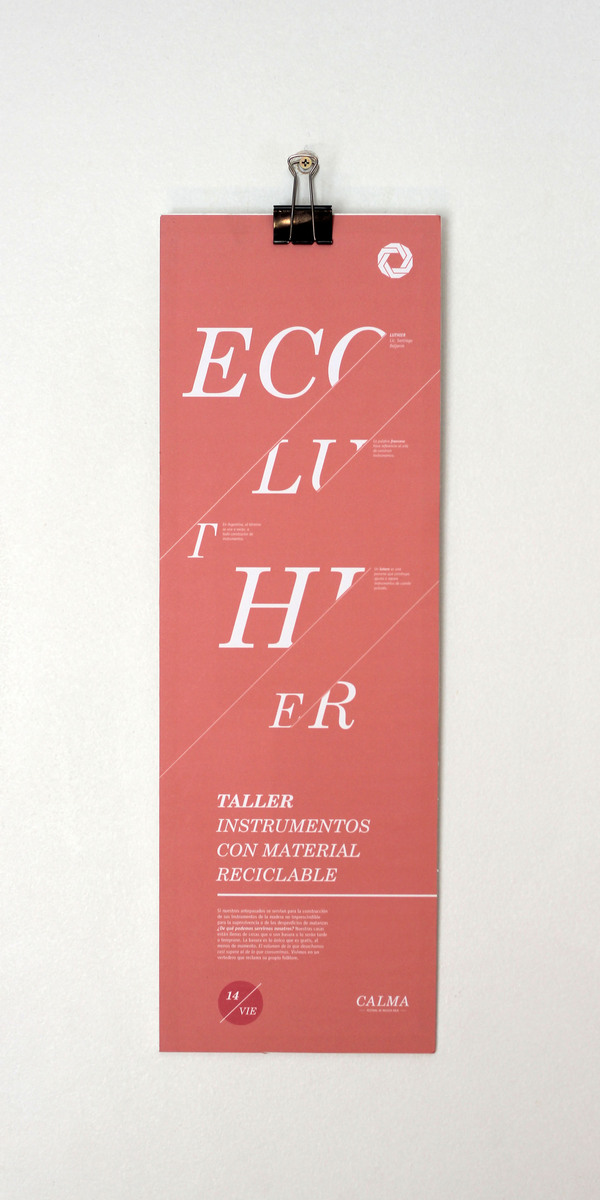
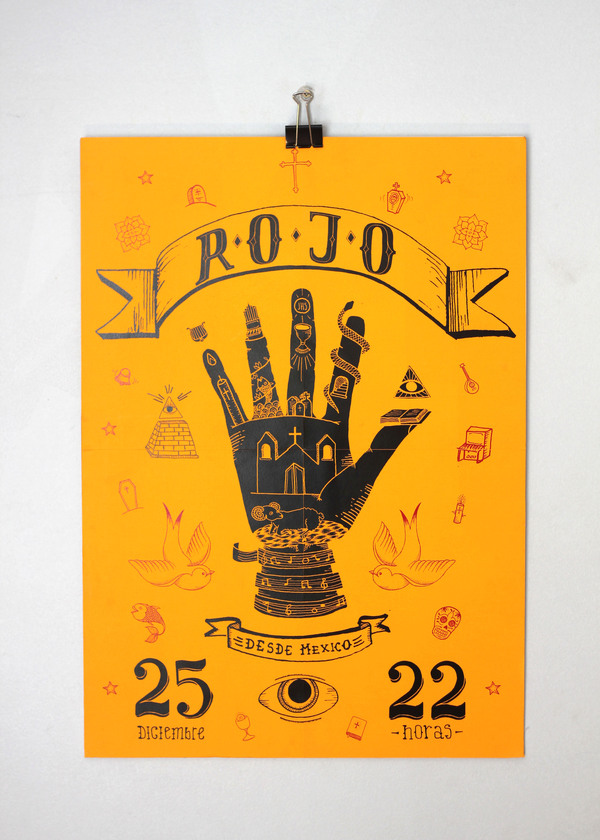
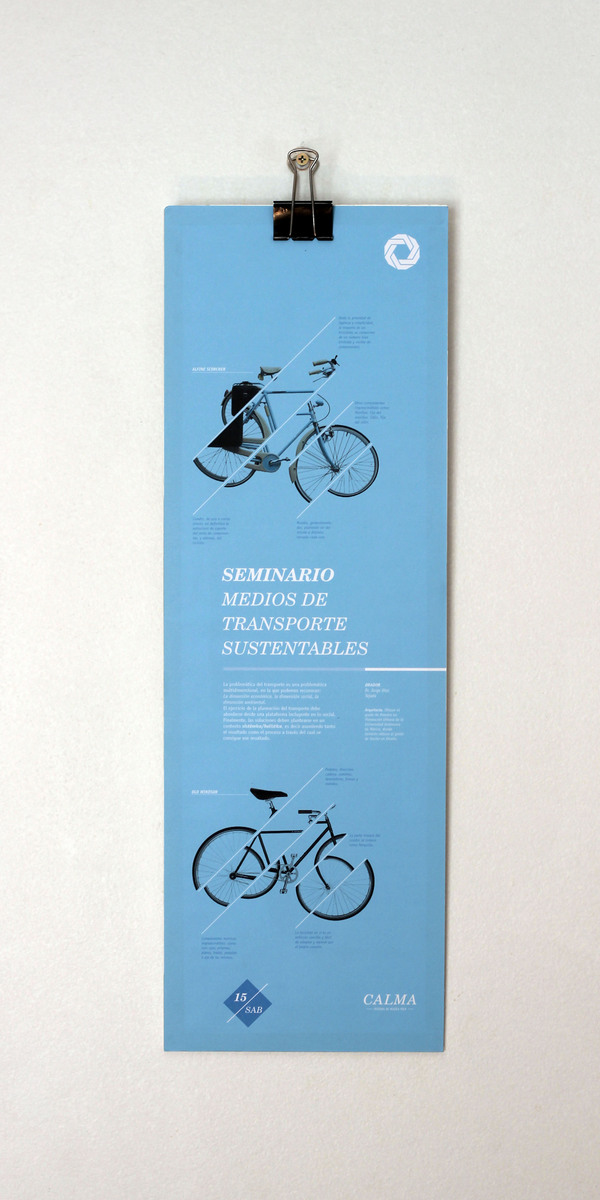
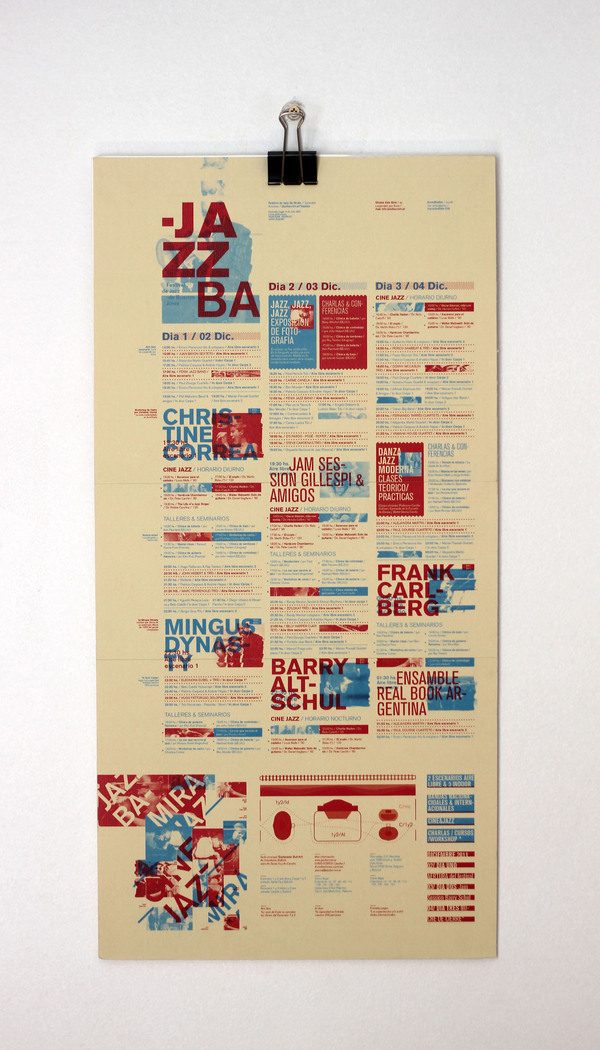
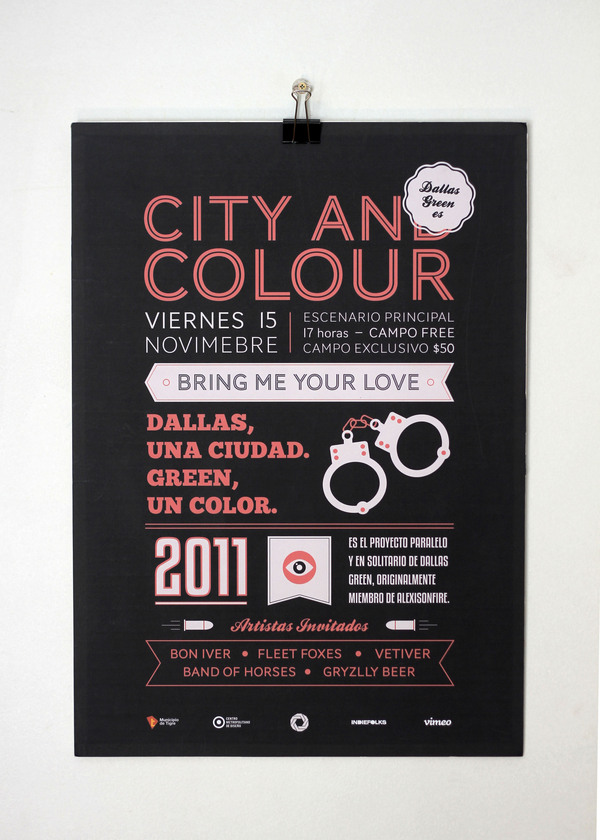
Estudio Tricota: Some Nice Typographic Compositions

I was browsing through my design context posts to gather content for my publication when I stumbled upon a website that included a piece of work in a previous post:


As I was searching for this image I found some very interesting typographic posters that reflect my practice really well. I don't know how I missed them the first time, but why not feature them now?


They're really well considered and all utilise a simple colour scheme. I like the inclusion of icons as it sticks to the style of communicating information in its most simple form: text & icons. There are also some nice overprinting effects that give the poster depth and a sign that it was screenprinted. Which also adds a personal touch to the design.


Excavation: Expanding a Typeface


A very similar typeface to Nutharc, with similar inspirations. Morey was inspired by ancient alphabets, much like my inspiration of the Futhark runes. This is an example of how he expanded his typeface to create an identity for an archeology museum. It has context, and is completely relevant with the subject.

It assures me that the proposed expansion to promote the Nordic music scene makes sense, and is something that backs up the roots of the typeface.


Varying Column Widths


I stumbled across this post on tumblr and I loved the various column widths. It allowed for captions, introductory paragraphs and the main body text to be flawlessly displayed in a visual hierarchy that works in an harmonious way. 

The way the white space embraces the small text that is the captions lets the reader know that they accompany the image. The text boxes that spread over 2 columns must be more important and should be read first. This comes before devices such as a heavier weight of text, or taking advantage of the viewer reading top to bottom, left to right.

Proxy: Reducing Size of Posters and Vibrant Ink


Something that I love about this piece is the use of vibrant inks and the format. This poster would be done on a budget, from the photographs the stock is fairly thin and looks no thicker than 80gsm. This makes for easy folding, and it holds the colours well.

The poster has similar aesthetics to blueprints. Thin, striking lines often complex in composition to demonstrate a plan in the field of architecture. The fold down format also benefits the print as it is more portable and can be handed out easily if the purpose sees fit.

The Outpost Magazine


A clean layout for the outpost magazine. I really enjoy the vibrant colours, and the combination between a deep red background and the stock on the double page spreads above. This could be achieved simply by printing, but it could also be separate stocks combined in one publication. The sheer contrast engages the viewer, and the different stock could be used to hold designs that are separate to the layout, like infographics or typographic specimens.


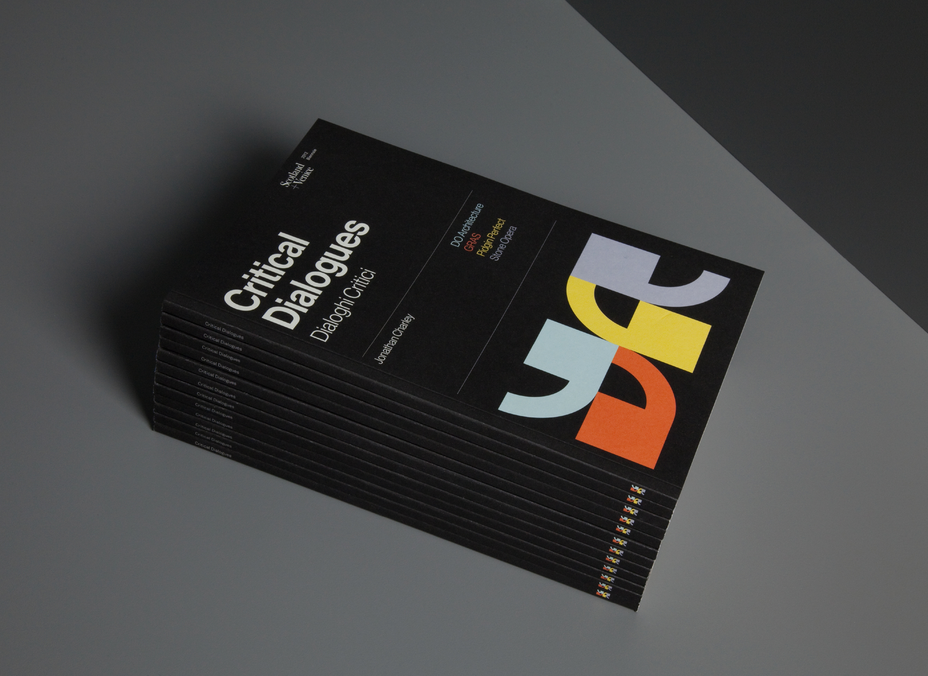
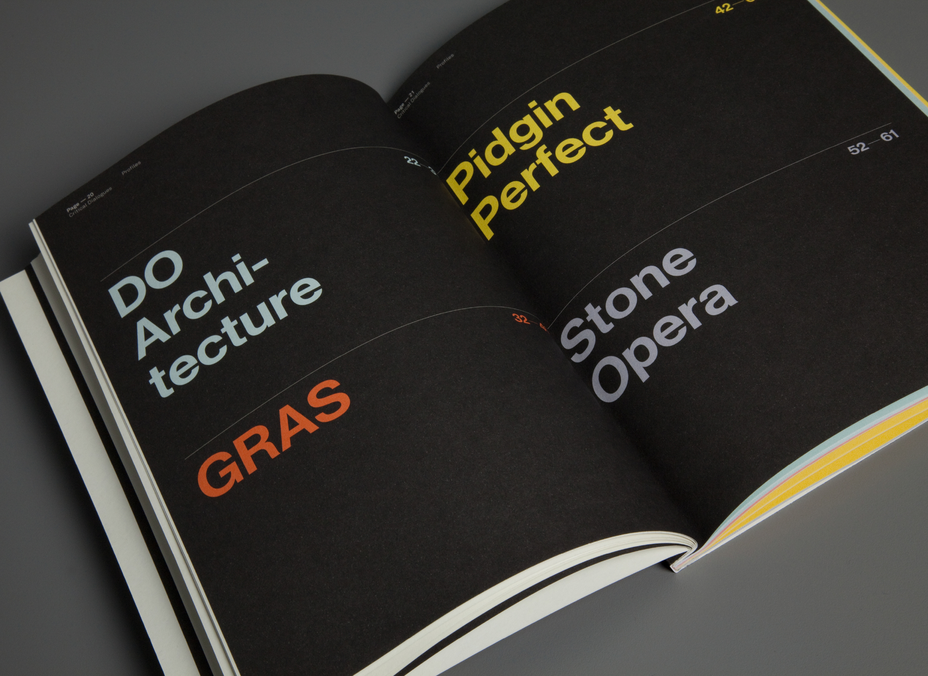
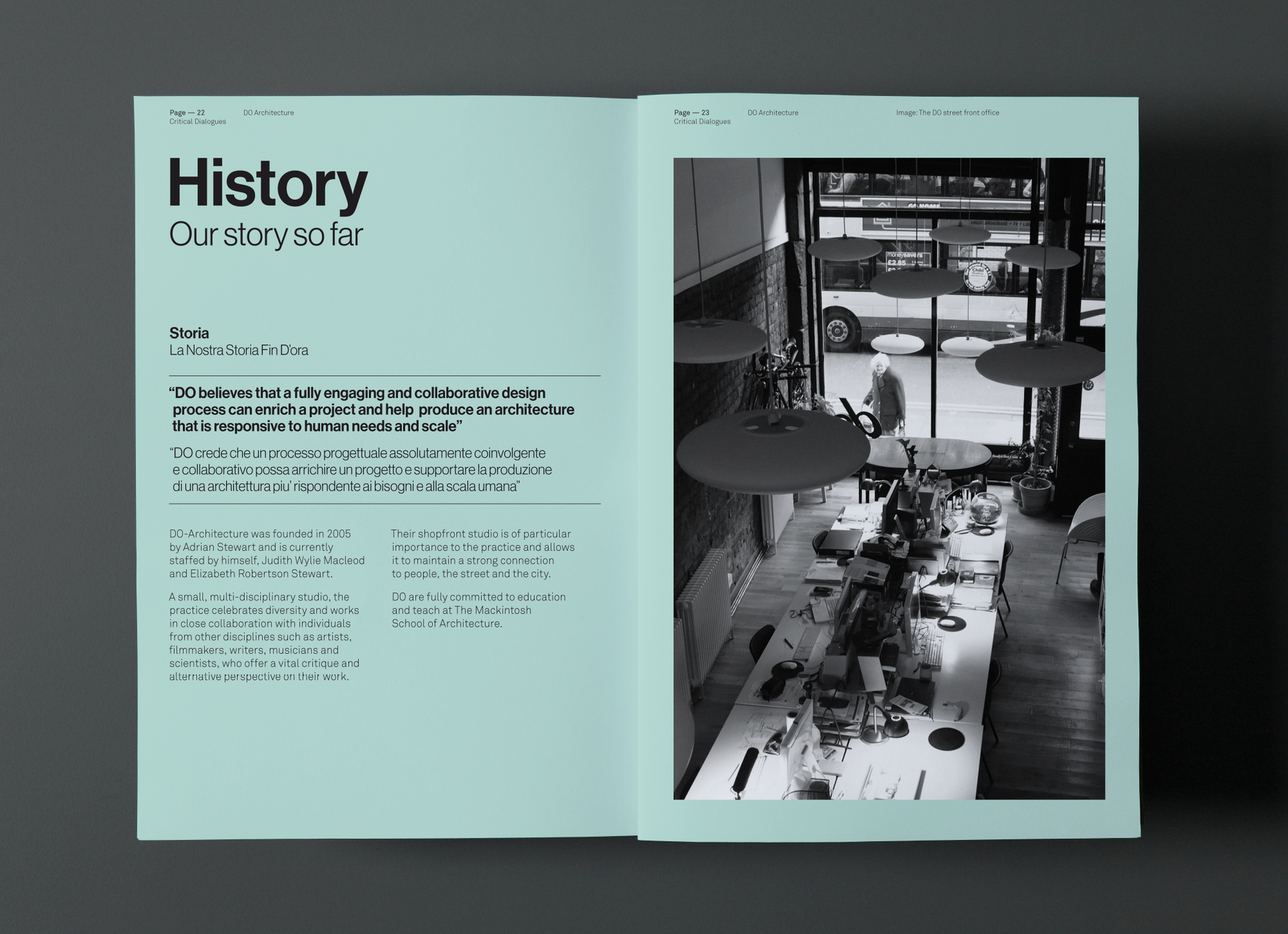
Critical Dialogues: Colour Categorisations


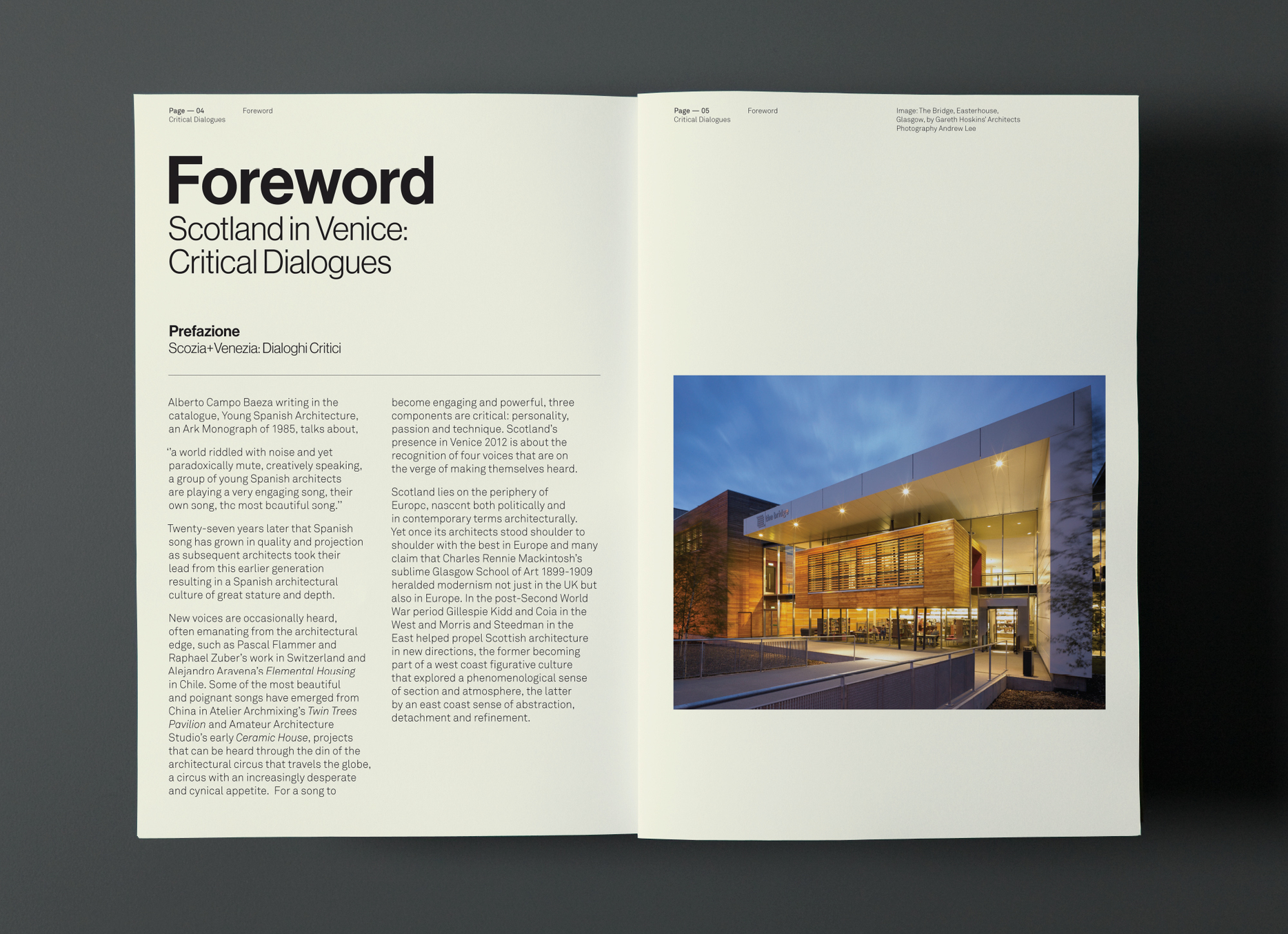
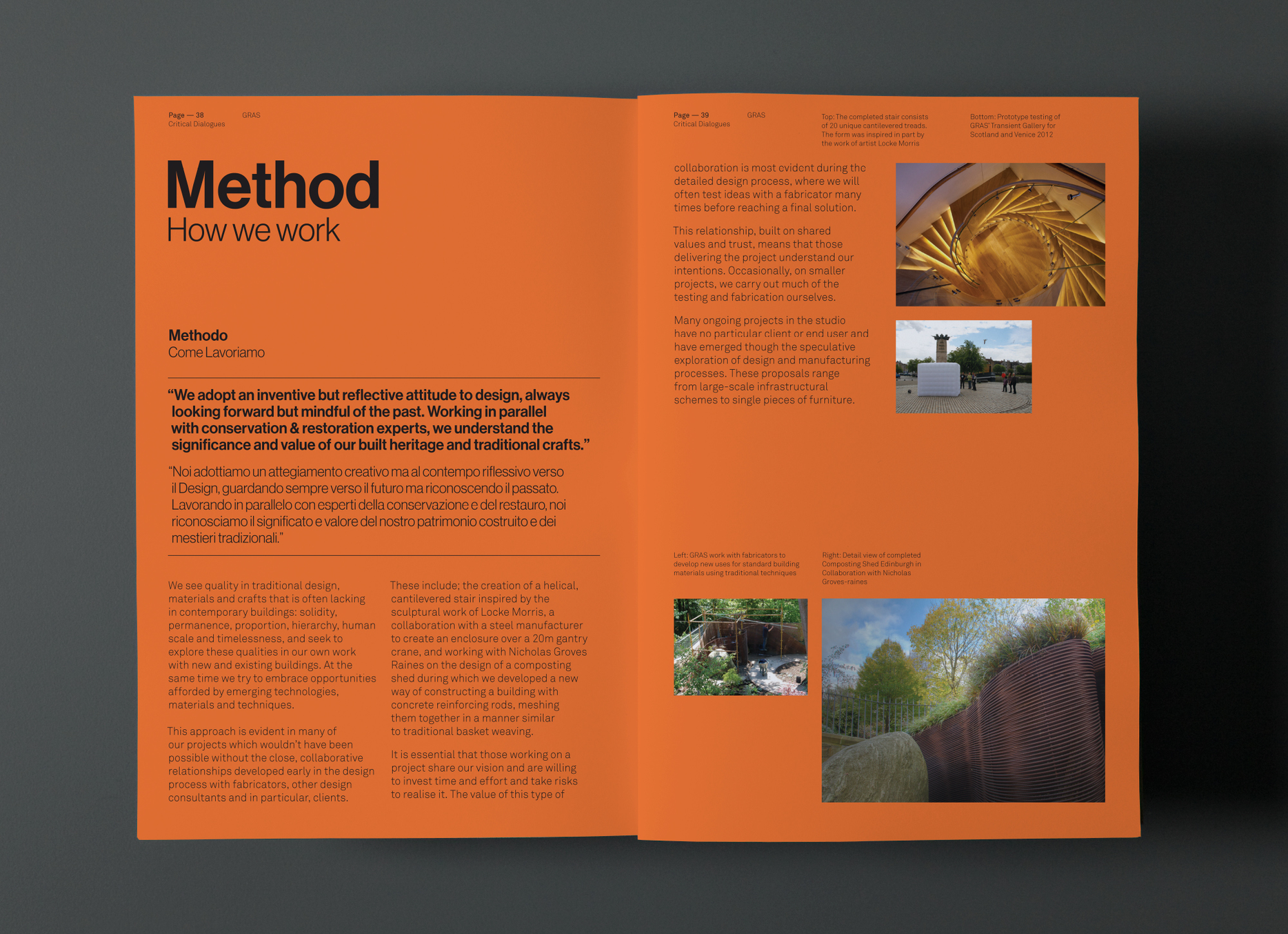
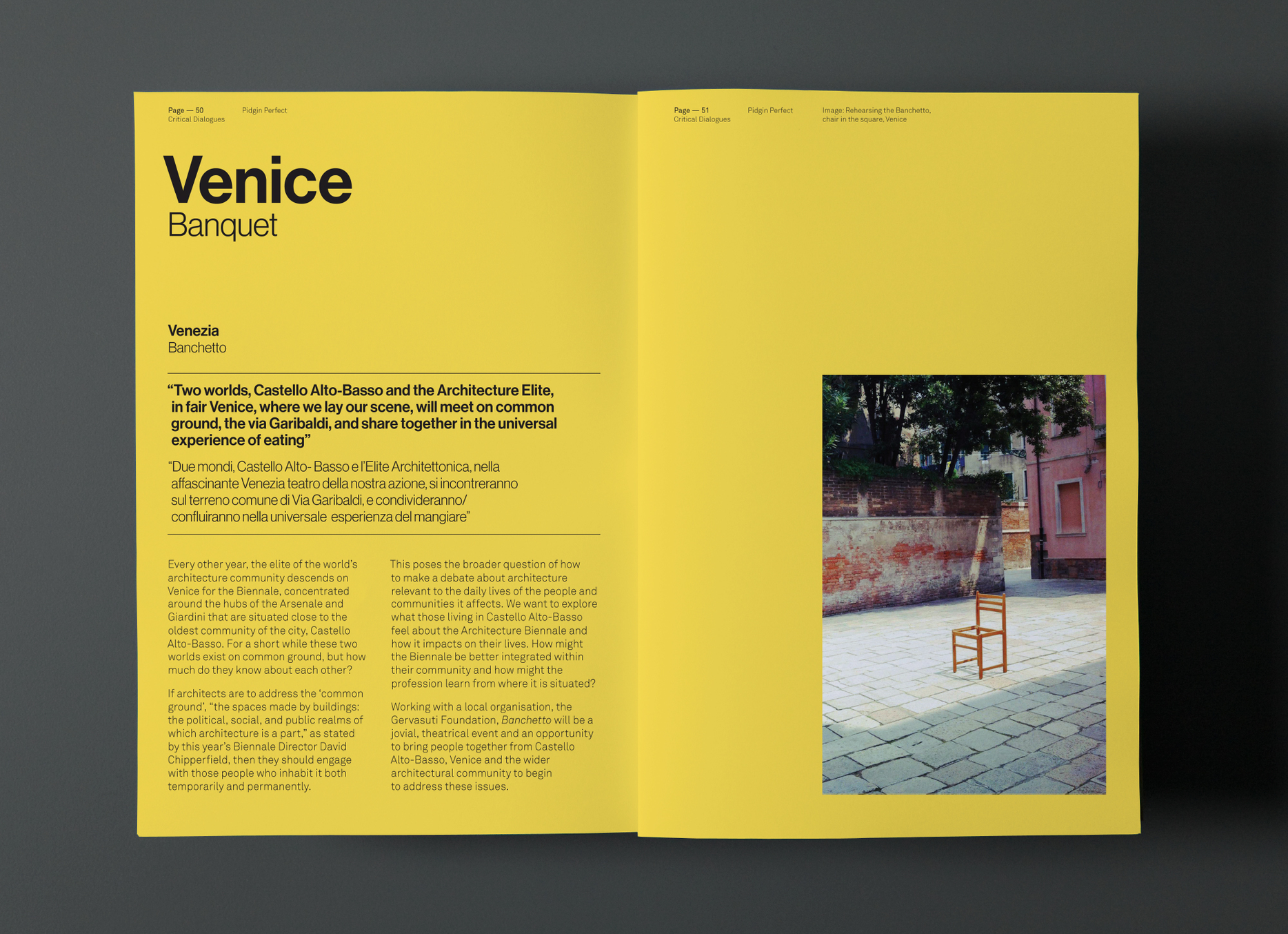
Categorisation is something that I will need to consider if I'm doing information graphics & in particular a Nordic music promotion which focuses on 5 different countries. Graphical House have used colour to separate different pages or categories, whilst keeping the same layout to make it visually consistent.


Ego Primevera 2012


A really nice example of clean layout and interesting bind. The bind itself promotes enough interest for me, as I haven't seen the ring bind used in such a fashion. It separates itself from other publications due to its unique approach.

The simple colour scheme works really well to give the whole publication a clean aesthetic, and monotone images complement the colours whilst still being clear.

Also, the inclusion of smaller pages on different stock to separate content is an technique that I could employ within my context book when dealing with features such as interviews, away from the image-based material.


Saturday, 11 May 2013

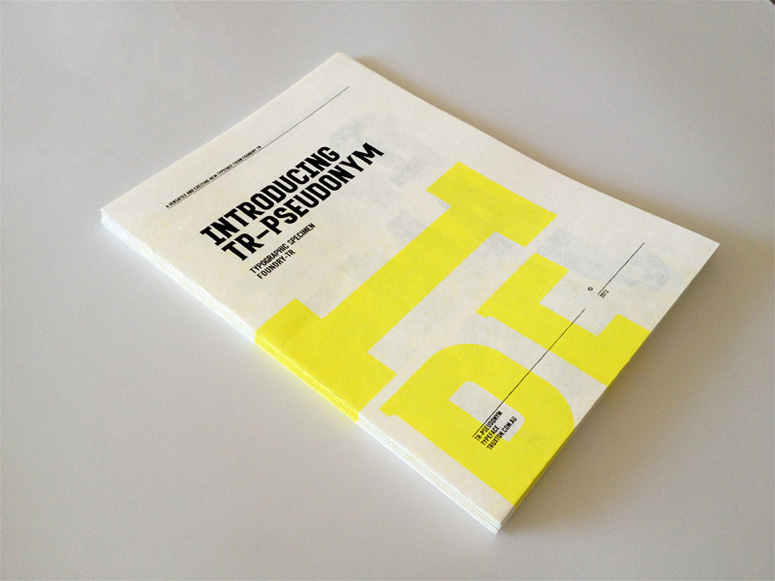
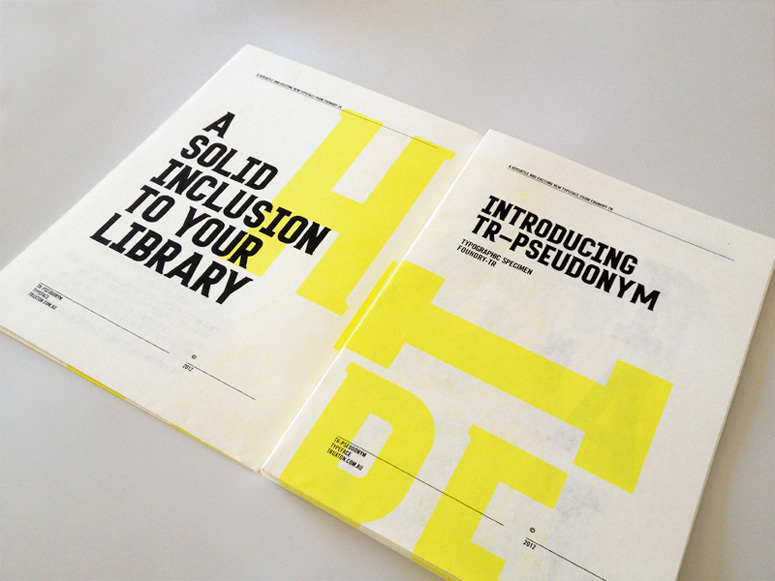
Approaching a Type Specimen: Tim Ruxton Pseudonym

I think the best way to promote a typeface through printed means is posters, something that is entirely visual and shows off the typeface in the best way possible.

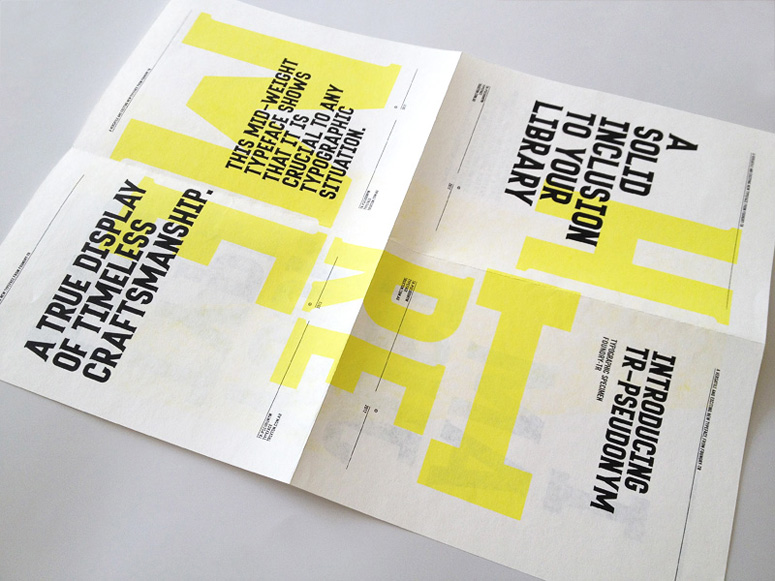
Tim Ruxton has created a beautiful promotional piece for his typeface - which is similar to mine in its exclusively uppercase letterforms. He has used only his typeface, and kept things simple as his typeface is not really suitable for body copy. Here it is:


I really like the subtlety of the yellow; it allows the black text to stand out while still demonstrating the letterforms on a larger scale. I think two-colour plus stock would be the better choice as it keeps things simple and can help to secure an identity of the typeface, which will help in the promotional side of the font.

The fold-out format could be an option if I wanted people to take it away, it keeps it compact and avoids the use of poster tubes.

Wednesday, 8 May 2013

Wim Crouwel's New Alphabet

This is Wim Crouwel's specimen book for his experimental typeface new alphabet. It's a really nice square format and informs the user on how to best apply his unconventional font to their designs.

The aspects from this small publication could be applied to a specimen book that would inform users of my typeface on how to use my typeface - in particular the alternatives.


Wednesday, 1 May 2013

Vinyl Research

So, today me and Simon Cherry got ourselves to some record shops around town to get some useful primary research for the production of our vinyls. Because he is producing work for his record label, it was mutually beneficial. Here are some key points that have come from the research:

  • Vinyls are typically printed on 180gsm stock.
  • They don't necessarily have to have the band or collection name on them. However, this does require some recognition prior to release, so I don't think it's appropriate for my project.
  • A minimalistic approach to the layout and design tends to be better, in my opinion. The clearer the information is, the better it communicates.
  • Sometimes the central circle of the vinyl is cut out to reveal part of the record itself. This part usually has the band name, single/album name & the record label. This could be an approach I take if I decide to design material for the centre of the record.
  • Also, some examples we found (in particular 7") had a little indent on the edge of the stock to allow for easy access to the record.
  • There are 4 sides, typically labelled A-D. For example A01 would be side A, track 1. D04 - Side D, track 4.
A minimal colour scheme worked the best, in my opinion. There is an example of a White Stripes record, part of the photographs, that has a 2 colour plus stock rule, but in the photographs themselves. The black border also frames the composition beautifully. Although I doubt that I will be taking photographs, the two-colour plus stock rule can still be adhered to. I will experiment with this and see how it translates on my work.


The 40 Bands

So I went through my playlists and I chose 40 bands that I think represent what I am looking for the most. There is still scope for me to add or even take bands away, but at least I have a starting point. I will start gathering bios for each band so that I can start developing my publication.

Here is my original list, with the bands that I have taken out marked with a line:


Norway
  • Team Me
  • Casio Kids
  • Howl
  • Kings of Convenience
  • Kakkmaddafadda
  • John Olow Nilsen & Gjengen (Norwegian Lyrics)
  • Jim Protector
  • Heroes & Zeroes

Sweden
  • The Bear Quartet
  • Friska Viljor
  • The Deportees
  • The Perishers
  • Anna Von Hausswolff
  • Bob Hund (Swedish Lyrics)
  • Caesers
  • David & The Citizens
  • Det Vackra Livet (Swedish Lyrics)
  • Dungen (Swedish Lyrics)
  • The Fallen Empires
  • Mando Diao
  • Frederik
  • I Break Horses
  • The Mary Onettes
  • Miike Snow
  • Peter, Bjorn & John
  • Sad Puppets
  • Sambassadeur
  • Shout Out Louds
  • The Sounds
  • The Genuine Fakes
  • We Do Not Negotiate With Terrorists

Finland
  • Eleanoora Rosenholm
  • Rubik
  • Lapko
  • Cats on Fire
  • Damn Seagulls
  • Murmansk
  • Black Twig 

Denmark
  • Decorate. Decorate.
  • Dúné
  • Efterklang
  • The Fashion (Split Up)
  • The Good The Bad
  • The Kissaway Trail
  • Mew
  • moi Caprice
  • The Raveonettes
  • Treefight For Sunlight
  • Très.b
  • VETO
  • The Figurines

Iceland
  • Of Monsters and Men
  • Sígur Rós
  • Soléy
  • Banko
  • Seabear
+++

I probably need to find more Icelandic bands... but for now this is a good collection to start working on. I've left out Bjork as well, as I think she is a little too well known - the reason why I cut Soléy out. Here is the playlist as it stands, but it could change a little over time:


I think the next stage is to visit record shops around Leeds to get a feel for vinyl records, and investigate the stock and processes used.

Nordic Bands: Revising the Bands

I have got quite a number of Nordic bands together, but not all of them work as a musical set. I want to make this as realistic as possible, as though the compilation will exist, and therefore need to be serious when choosing the bands that I want to include in my feature. I will demonstrate the kind of music that I am looking for, which will determine my audience.

I'm also a little wary of including bands that use lyrics of their native country. I don't know, I think it might make it less accessible for a UK and western audience. Plus, the collection is designed to be an introduction to Nordic music, chances are people will find these bands if they're interested enough. There could also be problems when it comes to making typographic posters based on the lyrics, unless I translate.

Nothing is set in stone, these are just considerations on the decisions that I will ultimately have to make.

These are the sorts of bands that I want to include - a folky, indie sound. If I want to include a vinyl, indie followers and "hipsters" sometimes tend to seek out analogue methods because it's 'cool' and doesn't conform to todays conventions:


+++

Here are 3 examples of bands that I don't want in my collection, from the list constructed earlier. I still love the music, but I don't think it's appropriate for my collection and therefore wouldn't work as a set. They're probably going to be too heavy, or dark - something to headbang to but not necessarily to sit back and relax to:


+++

Friday, 26 April 2013

The Schmucks Record Sleeve


As I was looking through Heydays' website, I found this record sleeve for a band named The Schmucks. Although I don't think it's their best piece of work, I respect how they've used the most overused typeface in the world: Helvetica. It really looks the part on the record sleeve.

The type on the reverse side of the sleeve looks well structured, white text set of a dark background to allow for optimum readability.

I love how the pull-out publication has captions that are set on separate pages on the inside, to take nothing away from the images itself. It is a good way to get the best of both worlds: a full image and a full, articulate description.

Thursday, 11 April 2013

How Should A Font or Typeface Be Promoted?

Now that I have my font, I think it is important to promote it in the most relevant and way possible. A good resource to use is Ten Dollar Fonts, as the tone of voice is similar to that of my typeface - there are a lot of alternative styles going on. Here is a selection of how others have promoted their fonts:


There seems to be a pattern here - even though I have looked at only 5 examples, there are many more featured on the website. First of all, the square format remains the same throughout - but I suspect it is to stay consistent and is required from the designer by Ten Dollar Fonts.

The majority of the typefaces have a background image to give the style context or to tell a story. It improves the presentation and gives depth to the typeface, and keeps the slides consistent. My favourite example of this is Alpine, where the designer used different images of Paris that related to each other to create a set of promotional material that is visually engaging and promotes interest.

Something else I have noticed is the glyphs are usually kept separate from the letterforms and sometimes the numerals too. It helps to break down the font, and to prevent it from being too overwhelming.

Links to the fonts examined below:

Zona Black Regular
TAU
Modula Mono
Roccia
Alpine

EDIT: Found the designer of Alpine on Behance - Maarten van t' Wout. He included this nice little GIF, which I thought was an interesting way of promoting the font. It shows each letterform on a large, clear scale and is suitable for web as it is a high quality image with a small file size.